Jump rings
- WHAT WE CHECK
- Closed connections; soldering where the approved construction or specification requires it.
- WHY IT MATTERS
- A small opening can become the weak point in an otherwise sound piece.
SNP FIELD GUIDE / QUALITY CONTROL

FROM APPROVAL SAMPLE TO PACKED ORDER
Quality control does not begin at final inspection. It begins with a clear approved standard — then protecting that standard through early production, inline checks, final inspection and packing.
This guide highlights practical details we watch when developing and producing fashion jewellery.
01 / APPROVAL & CONSISTENCY
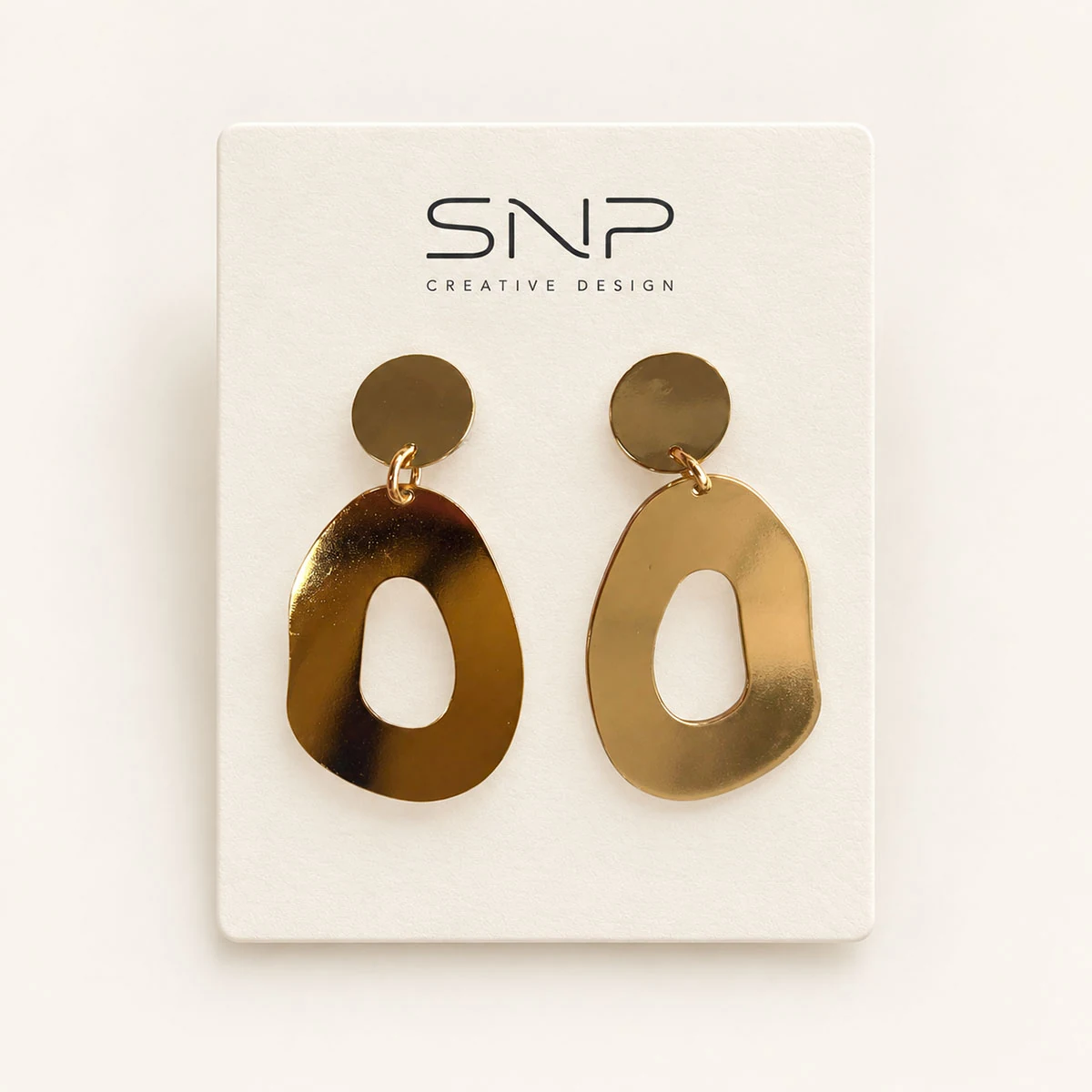
Bulk production has to keep the same standard.
Compare the approved reference with production: colour · size · shape · plating · components · construction · overall appearance.
Use the physical reference, measurements, specifications and agreed performance checks together. Visual judgement alone cannot confirm strength, size or compliance. Record approved changes before production follows a different route.
02 / CONSTRUCTION
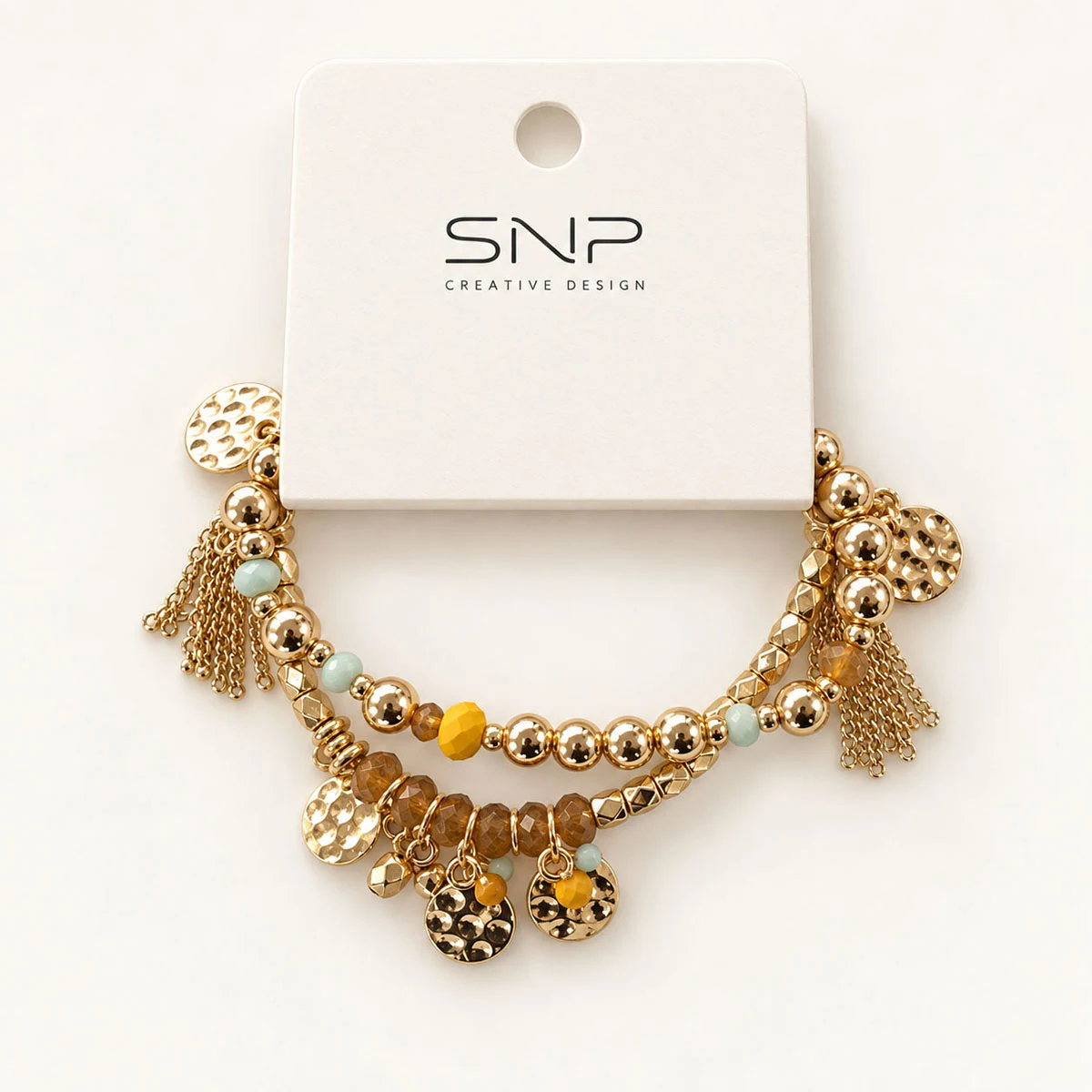
Confirm the route before quantity multiplies a small problem. Review connection points, settings and moving parts against the approved construction.
Explore jump-ring construction03 / FINISH & APPEARANCE
Edges, inner surfaces and high-contact areas deserve the same attention as the front face.
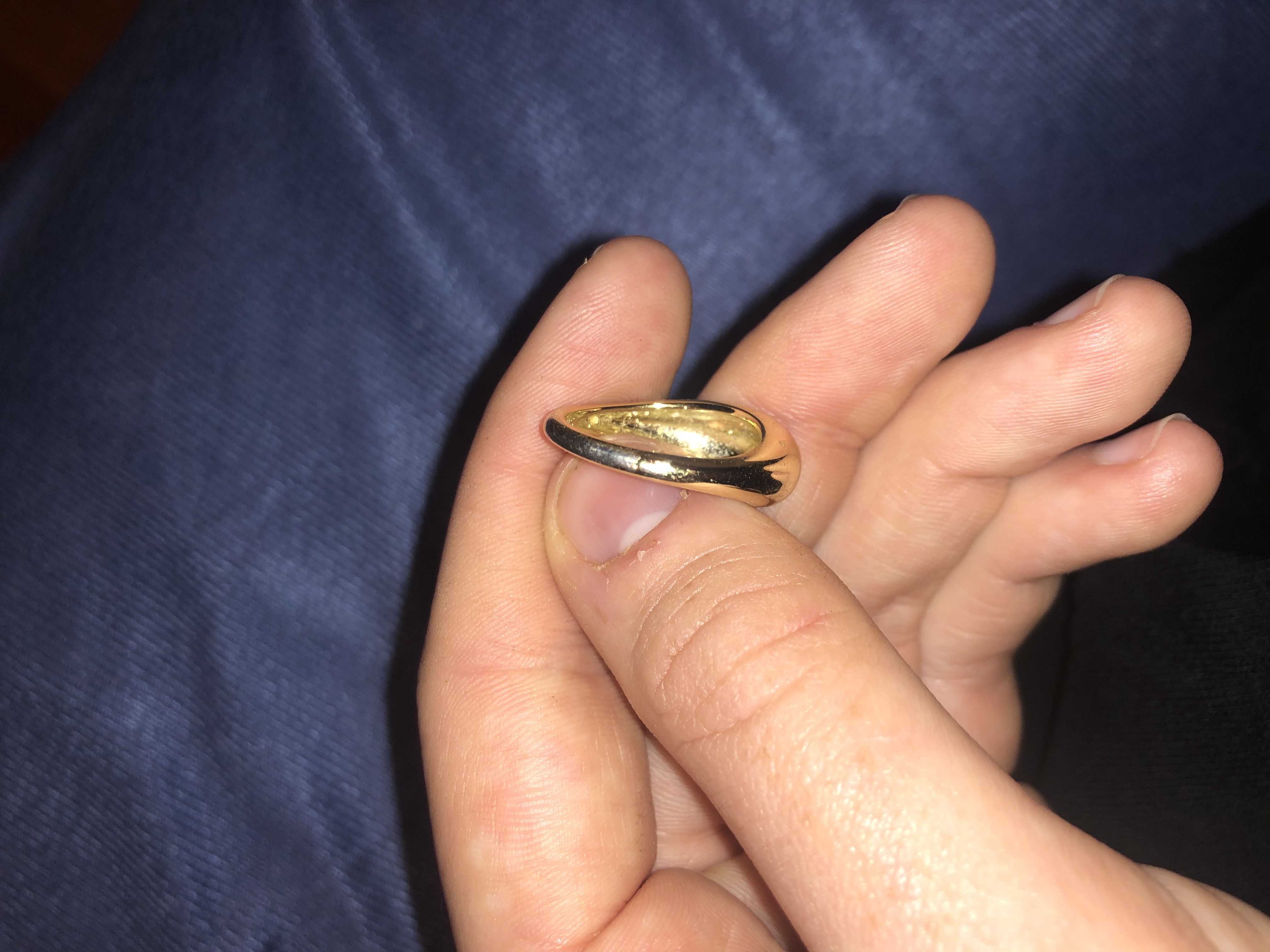
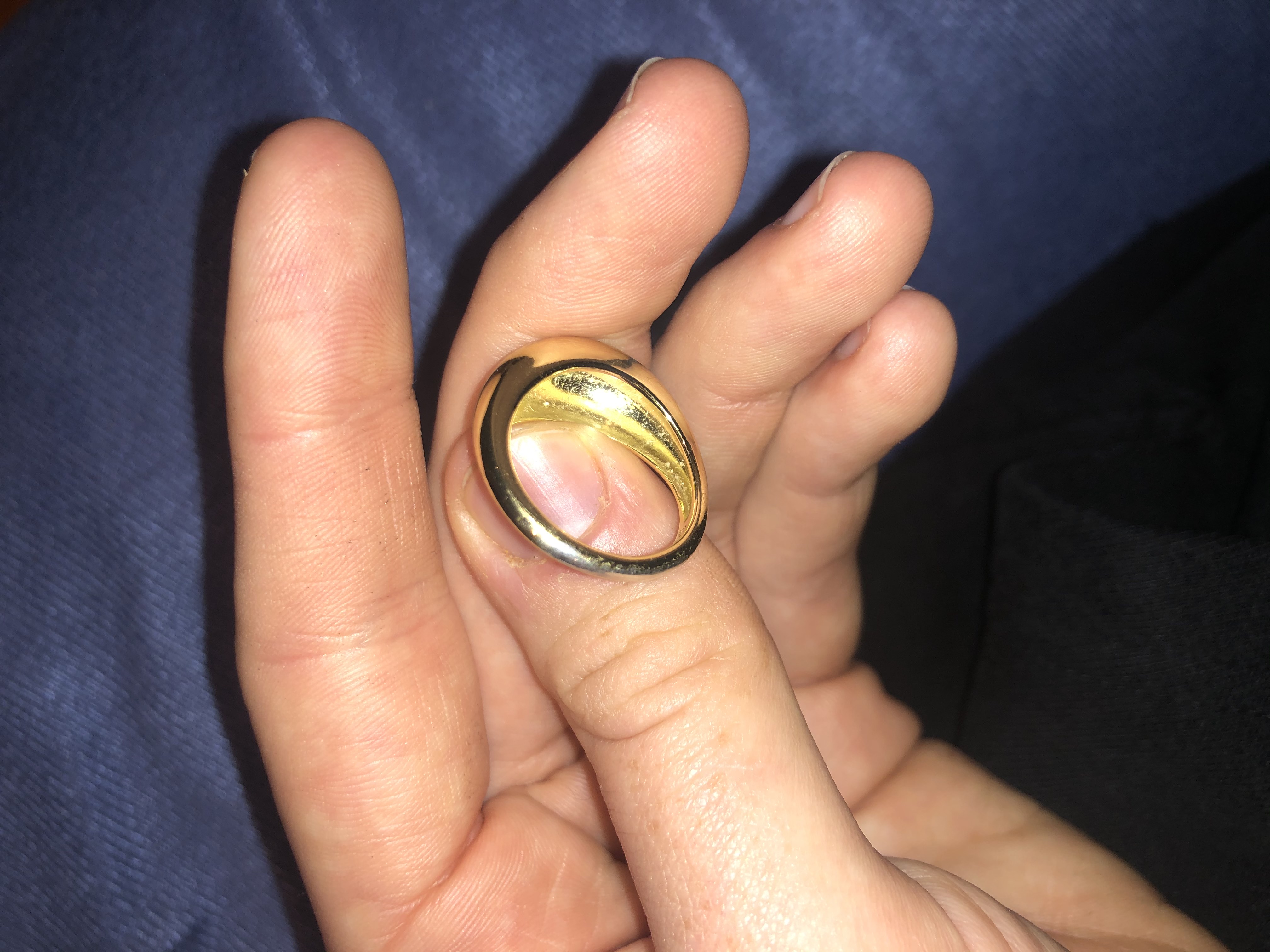
Selected close-inspection photographs. Photographic reflections and colour alone do not establish a cause or a pass/fail decision. The product surfaces have not been retouched. These examples are not evidence of an approved batch.
Colour consistency, edges, recessed areas and high-contact surfaces. Review uneven appearance, visible wear or tarnish where relevant to the agreed check.
Visible excess, gaps or signs that need closer bonding review; cloudy or contaminated appearance. A neat surface does not prove bond strength.
Scratches, pits, burrs, marks and edge finish. Separate an intentional texture from an unintended surface condition.
Bulk against the approved reference; consistency within a pair or set; stone fit, orientation and alignment.
04 / PERFORMANCE
Test methods and acceptance criteria are confirmed according to product construction, buyer requirements and target market.
Agree the method, sampling plan and acceptance criteria before production. No single load, height or cycle count applies to every fashion jewellery product.
05 / SIZE & FIT
Size is checked against the approved specification — not by visual judgement alone.
Confirm the measurement method and reference points. A curved or adjustable piece needs a clearly agreed way to measure it.
06 / PACKING & RETAIL READINESS
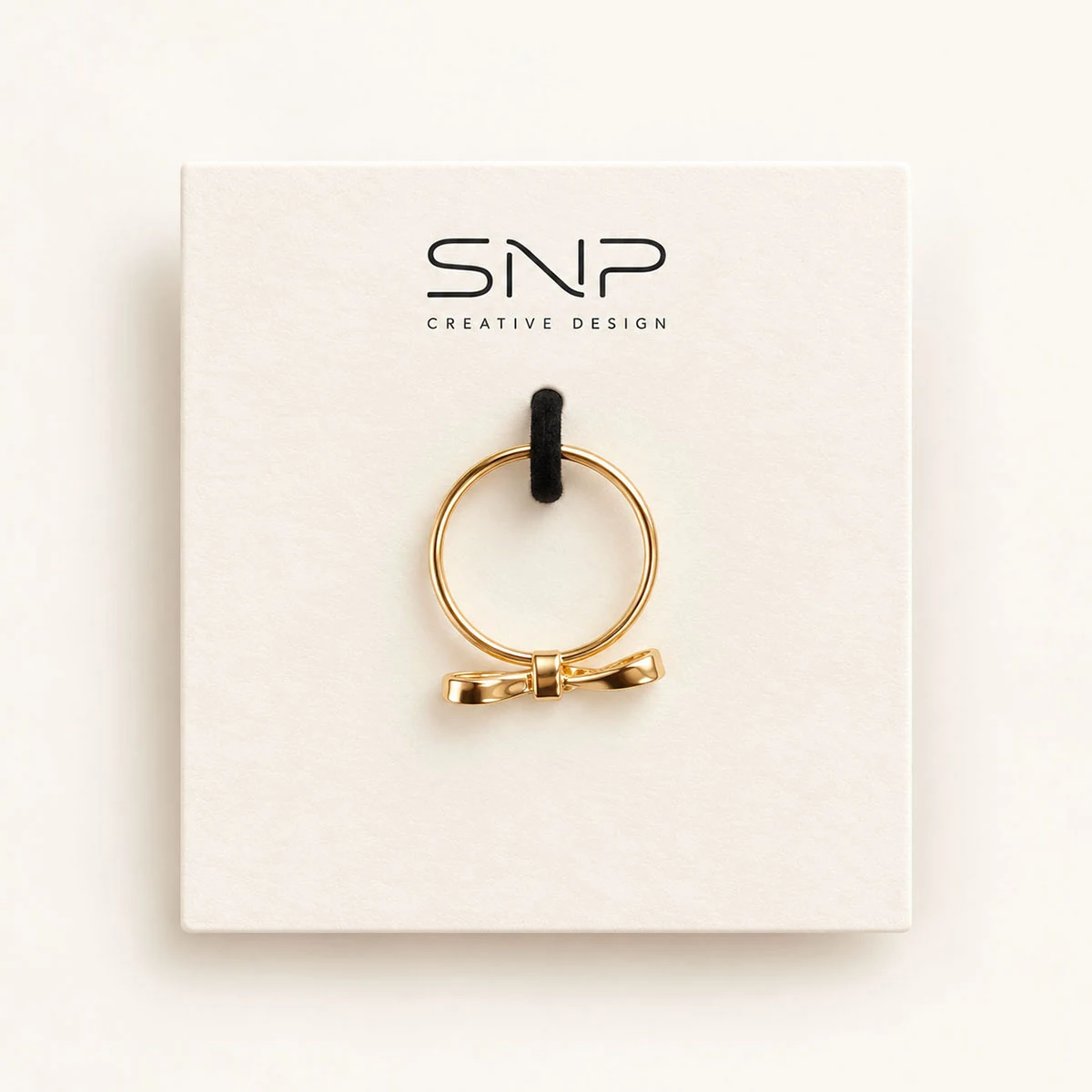
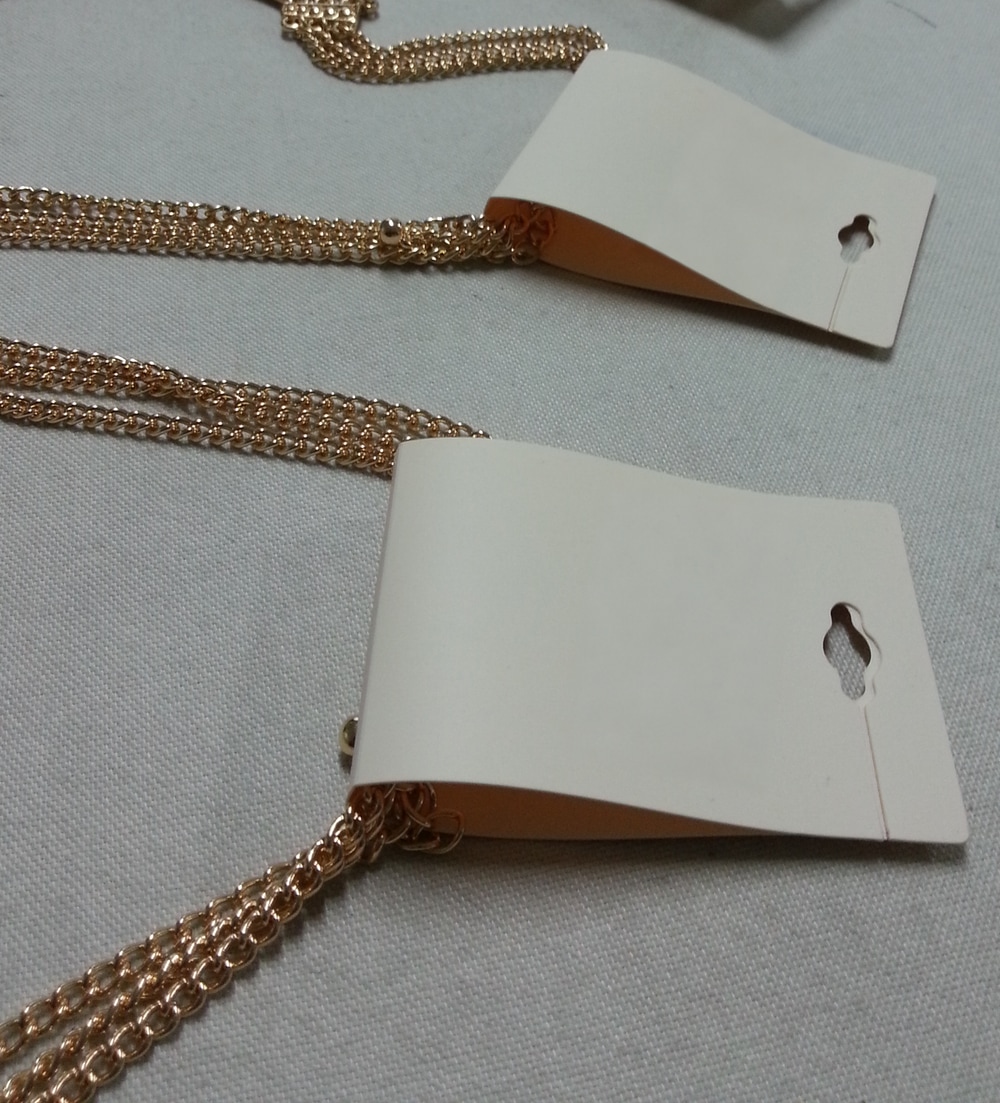
A correctly made product can arrive tangled, bent, marked or poorly presented when packing does not suit the construction.
Position & secure. Carding, product position, necklace and chain securing, anti-tangle handling and consistency across sets.
Protect the detail. Earring posts, fragile components, surface finishes and individual protection.
Protect through delivery. Appropriate separation and transit protection. Review the actual packing method with the sample before quantity is packed.
PROTECT THE APPROVED STANDARD
Sets the reference. Keep the sample, specification and approved comments together.
Checks whether the approved standard is translating into actual bulk materials and methods.
Catches variation while correction is still practical.
Checks the finished order against the agreed inspection plan and standard.
Protects the product and its presentation through delivery.
WE SOLVE WHAT WE CAN INTERNALLY.
WE INVOLVE THE BUYER WHEN THEIR DECISION IS GENUINELY NEEDED.
Correct clear functional defects and report the cause, action and timing. Bring subjective appearance or specification decisions to the buyer with useful evidence and a practical option.
Explore SNP development07 / COMPLIANCE
Requirements vary by product, age group, material, buyer standard and destination market. Confirm current buyer and market requirements before production.
The review may cover lead, cadmium, nickel release, phthalates and other restricted substances where applicable. Not every restriction applies to every product or material. Appearance checks cannot replace required laboratory testing.
This practical guide is not a legal specification or a universal acceptance standard. Confirm scope and current requirements with the buyer and an appropriate testing specialist.