
A BEAUTIFUL SAMPLE CAN STILL BECOME A BAD ORDER.
The sample wins approval. The production route has to earn it again.
By Sprite Chong / SNP Creative Design · 04 October 2026 · 5 minute read

01
A sample is a promise. Bulk is the test.
A beautiful sample tells a buyer that the direction can work. It does not prove that every material, component and production step is ready to repeat it at order quantity. The risk often sits in the transition: a different chain, a substitute finding, a new material batch or an assembly decision that looks small on its own.
02
Approval sets the production standard.
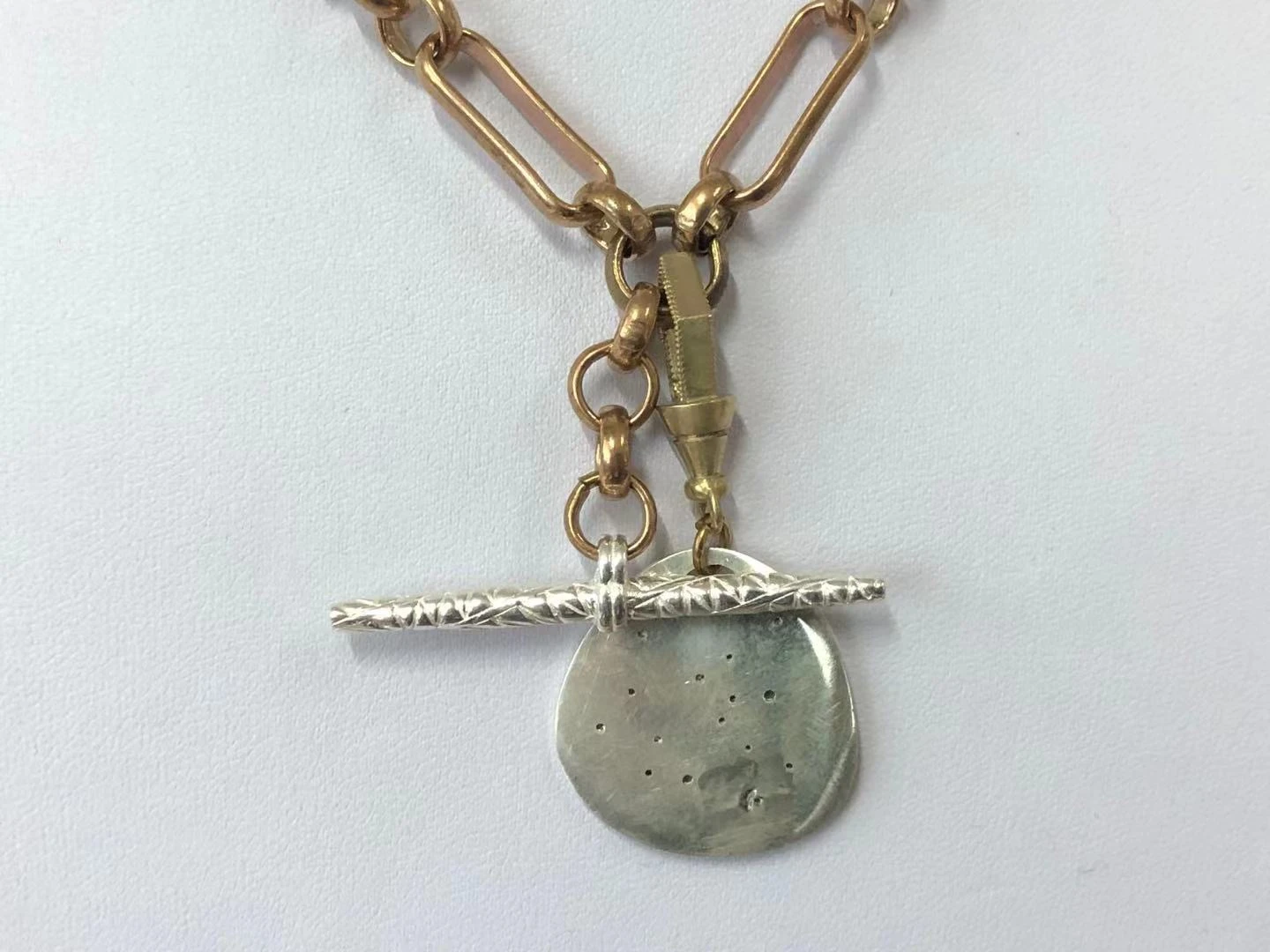
The approved reference should establish design, proportion, material, colour and plating direction, construction, key components and functional requirements. Keep that reference together with the agreed specification and a clear record of changes. A photograph can support the discussion; it cannot replace every physical comparison.
03
Use what will actually go into production.
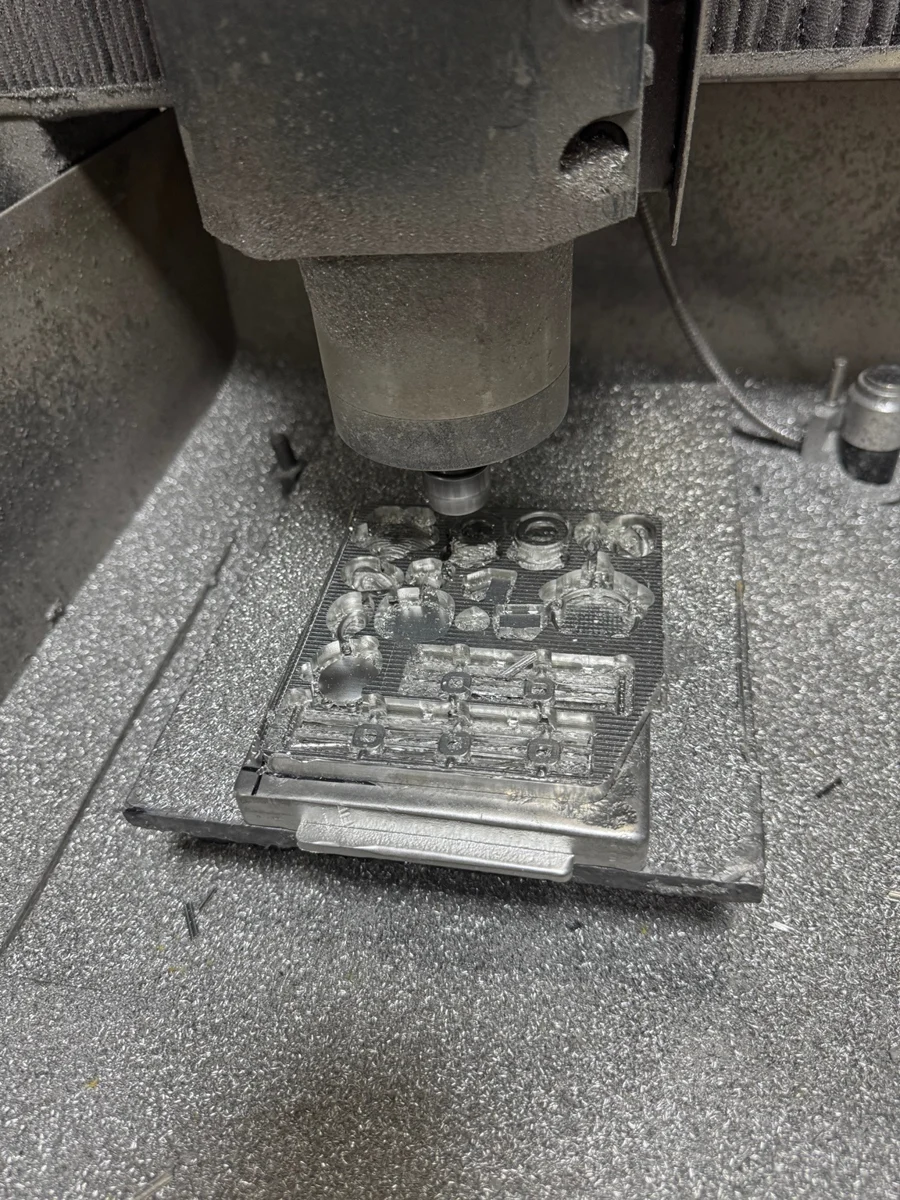
Compare actual production materials and components with the approved reference before they multiply through the order. A sample built from convenient workshop parts may hide a problem in the planned bulk route. Experience gives us a starting point. We verify what is possible now: available materials, current processes, construction and the agreed target FOB.
04
The first hours matter.
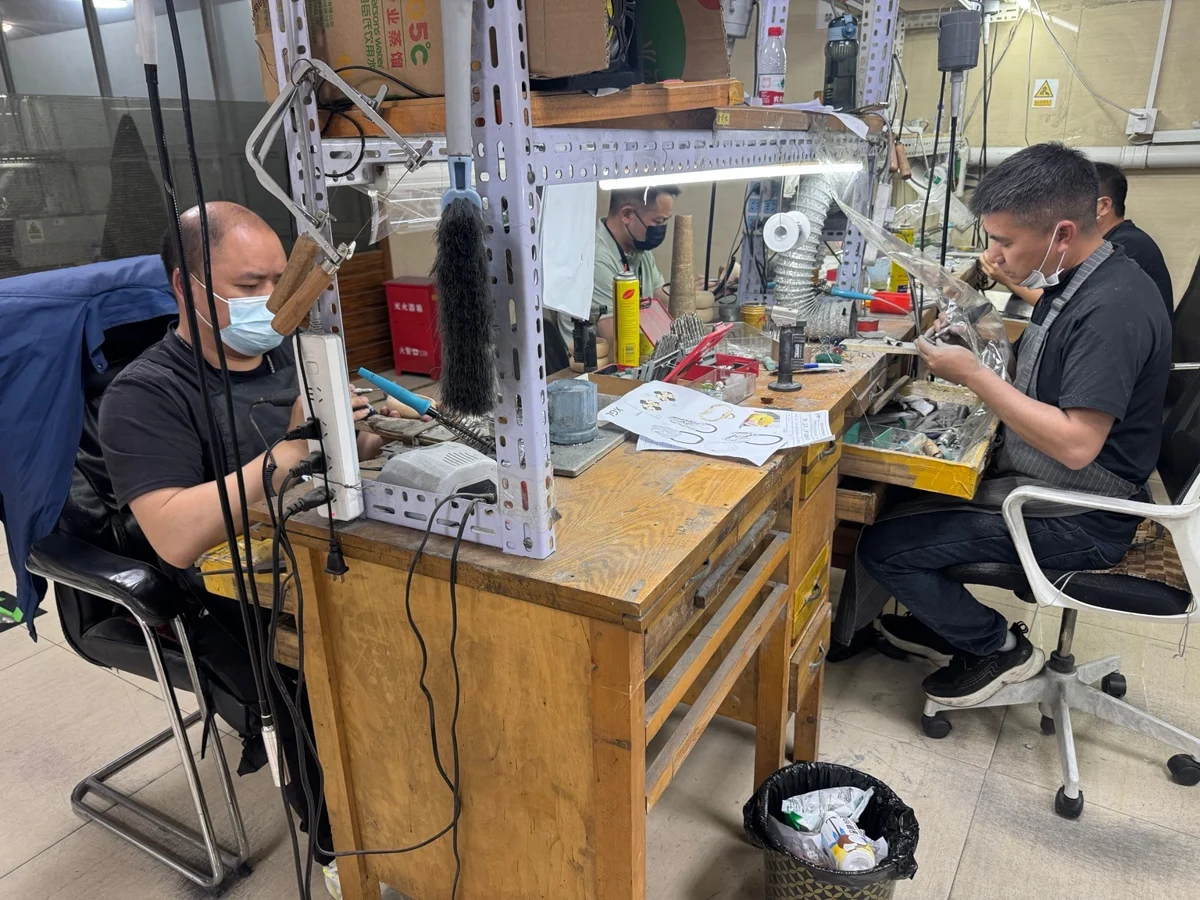
Review early production against the approved reference using actual production materials. Look at proportion, assembly, component consistency, finish and function. If a meaningful issue appears, correct it or stop the affected work before it spreads through bulk. Where the programme calls for it, PP or early-run review and inline QC provide additional decision points.
05
Final QC is the final defence.
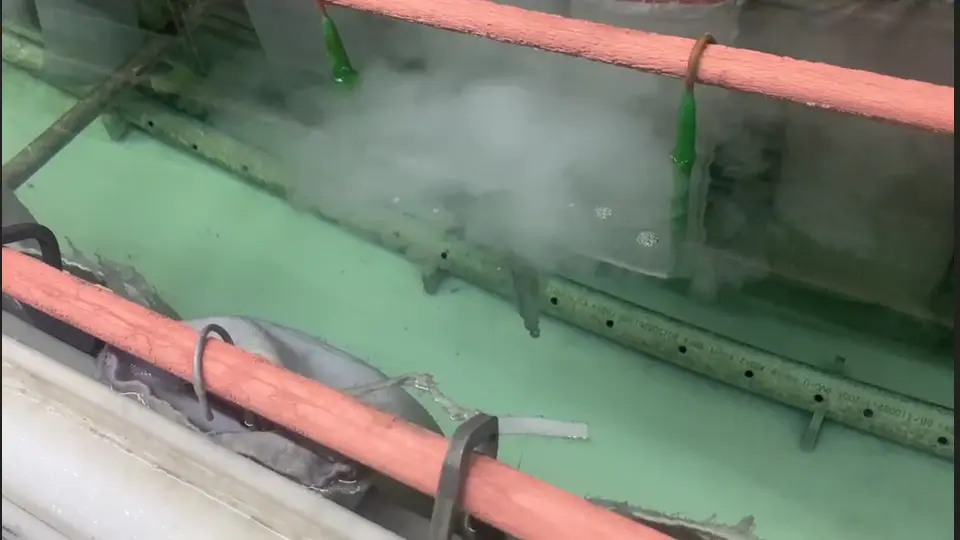
Final inspection is important, but finding a problem after the whole order is made leaves fewer practical choices. Good QC is not just finding defects. It is preventing production risks before they reach bulk. Required testing adds another layer; a visual inspection cannot establish chemical or performance compliance.
06
Keep the buyer’s decision where it belongs.
Bring the buyer a clear issue, its retail consequence and a practical recommendation when their approval is genuinely needed. Do not hide a change to an approved specification behind an internal decision. The aim is a manageable process, with the right person deciding at the right time.