What are findings?
Findings are the functional components used to assemble and wear jewellery. They include clasps, jump rings, earring posts and backs, bails and other connecting parts. The word covers a wide range of details, so it helps to name the component and its job explicitly.
A product’s decorative elements often get the first attention. Its findings determine whether those elements can be worn comfortably, connected securely and used repeatedly as intended.
Start with how the product is worn
For earrings, consider the post, hook or closure and the supporting back where used. Review alignment, smoothness, fit and the balance of the complete earring. A dramatic front design should not hide an unresolved attachment.
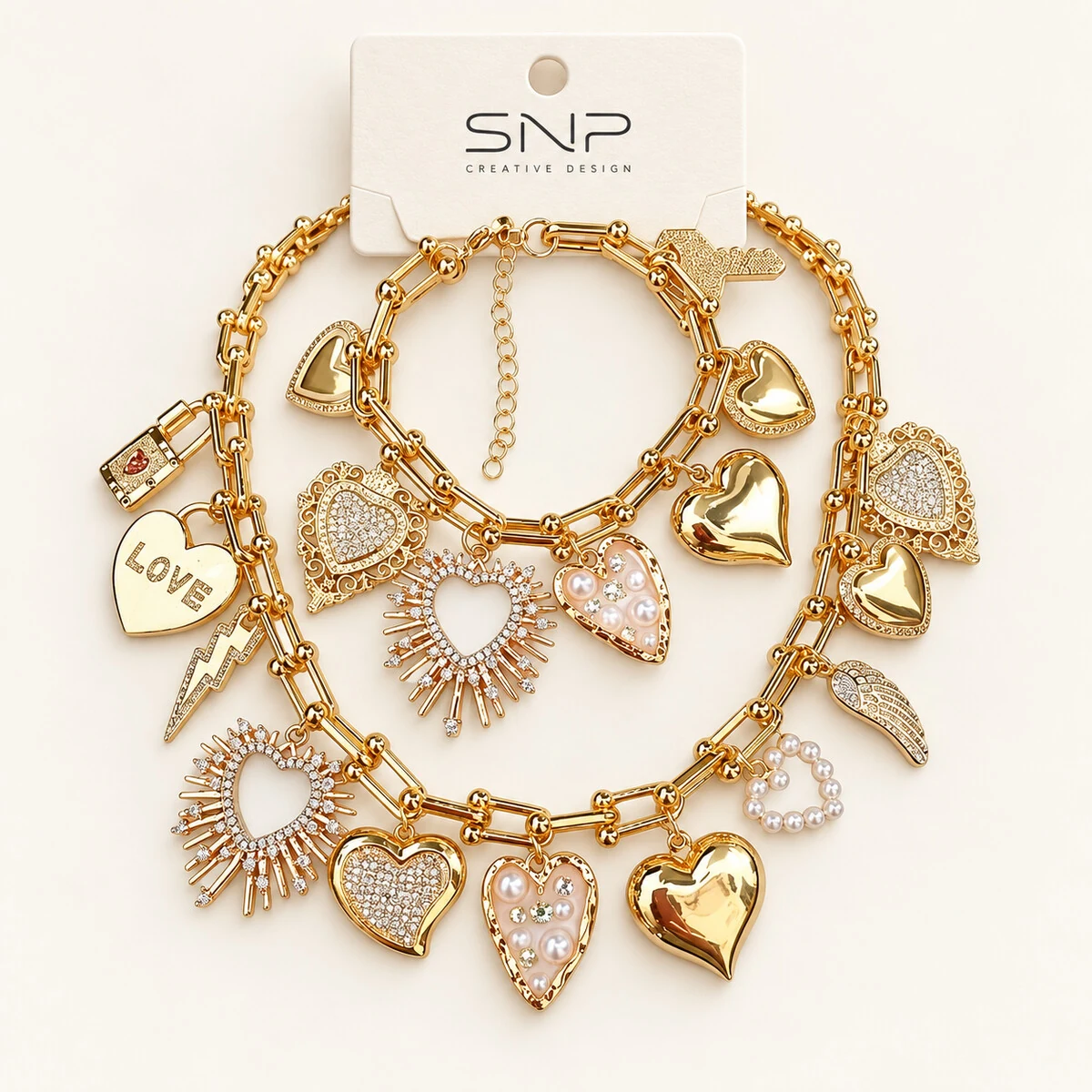
For necklaces and bracelets, operate the clasp on the assembled item. Check the connection to the chain and whether an extender is required. A closure should suit the product’s scale and the intended customer’s use, not simply be the smallest available component.
Connectors need room to work
Bails, rings and links must fit their neighbouring components. Check the opening size, movement and orientation. A pendant that repeatedly turns the wrong way or a charm that cannot move freely may need a construction change.
Avoid inspecting each part only in isolation. The useful unit is the complete connection: the component, its attachment, adjacent parts and finished surface. That is where fit problems become visible.
Adjacent accessories have hardware too
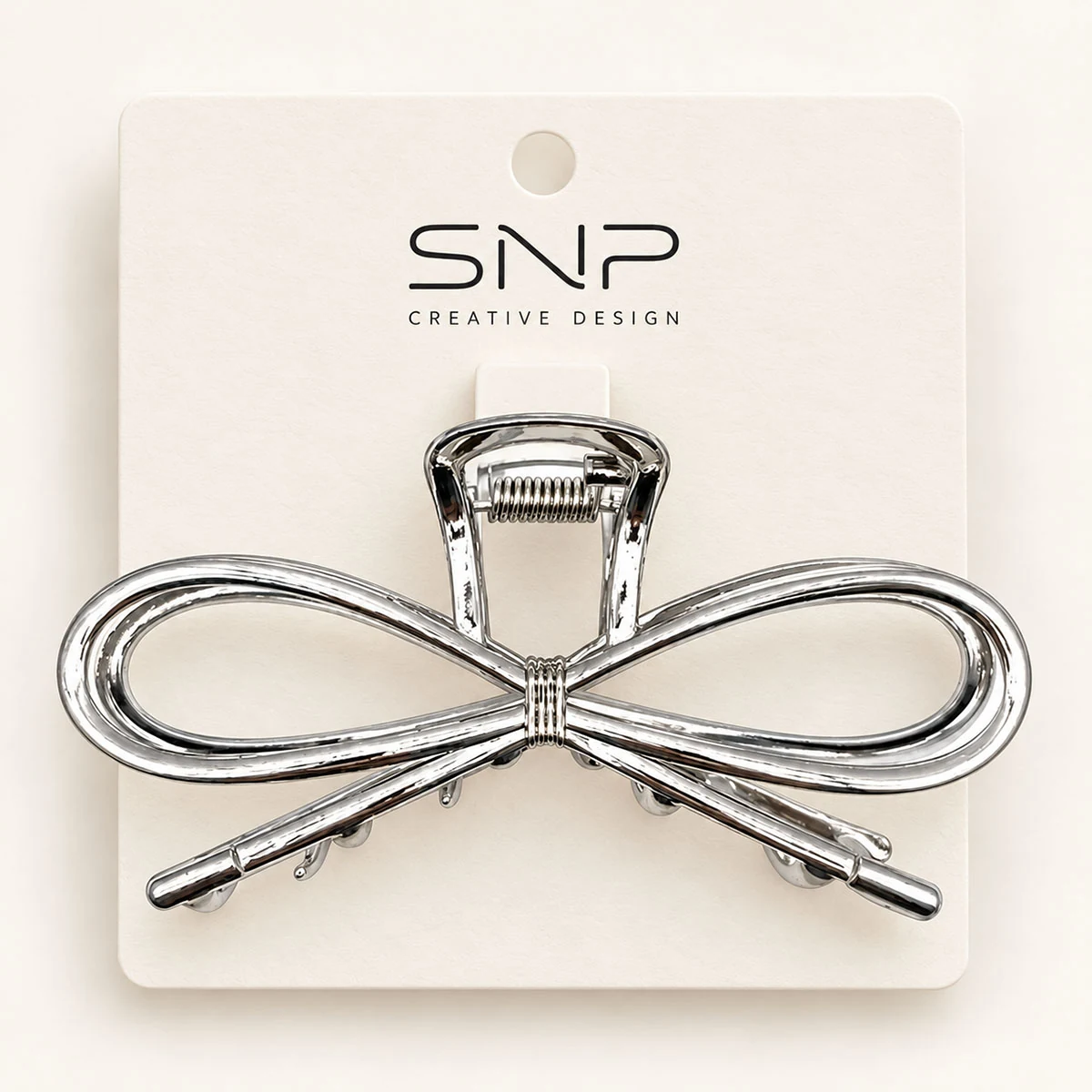
Hair claws add springs, hinges and teeth to the development conversation. Bag charms and keyrings bring hooks, split rings and connectors. Phone accessories add their own attachment and compatibility requirements.
These should not be treated as decorative findings alone. Review the intended use and agree appropriate functional checks. A jewellery-inspired look does not, by itself, establish that hardware is suitable for carrying an object or securing a device.
What to approve
Keep a reference for the chosen component, material, size, finish and attachment method. Review working parts after assembly and finishing, when small changes can become apparent.
For items that contact the body, define relevant material and testing requirements for the destination market with the buyer. Appearance is not evidence of chemical compliance. SNP brings these details into development alongside the visible design.
The buyer’s takeaway
Name the part, define its job and approve it in the finished assembly. Functional details belong in the design brief.
Links support terminology and general material background. SNP’s product-development commentary is an editorial interpretation.