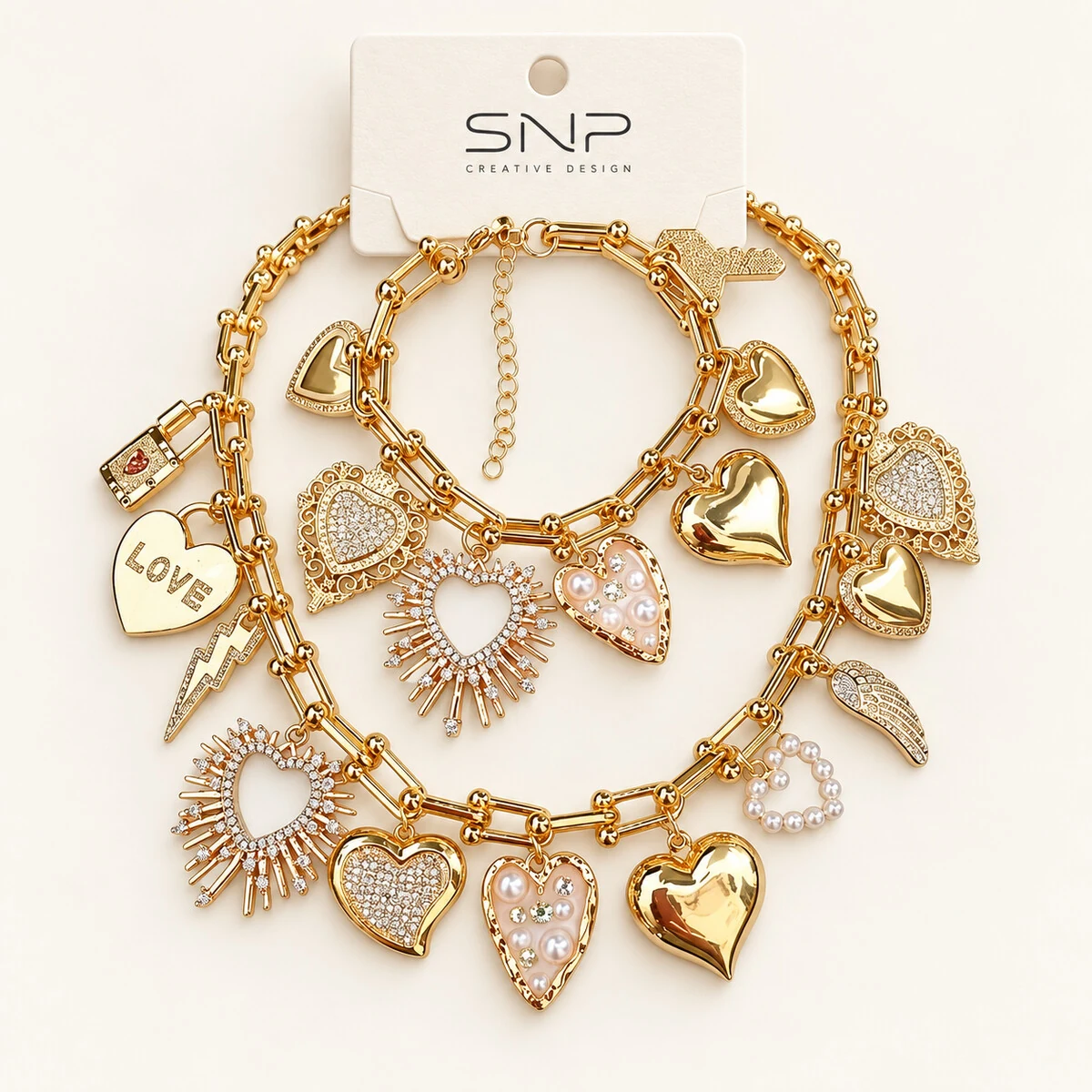
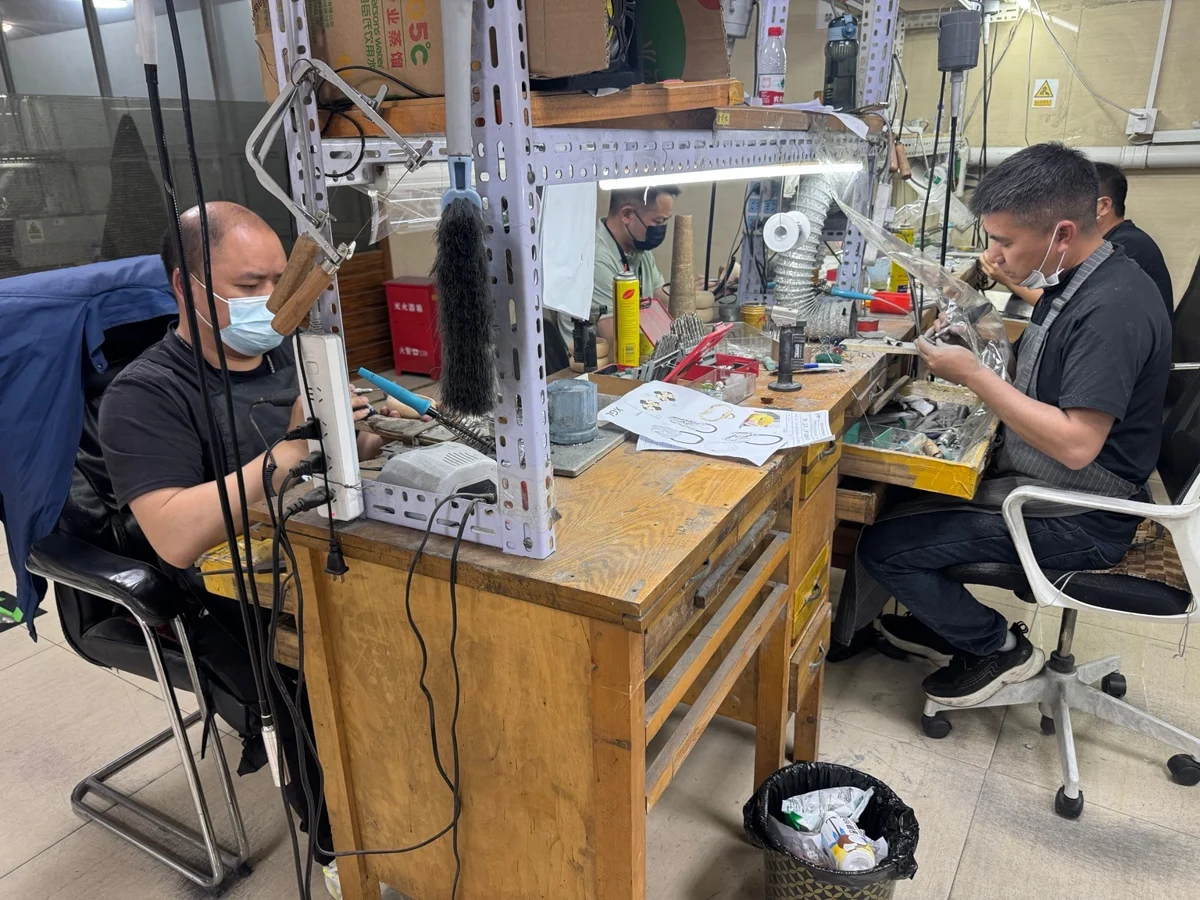
Make the reference unambiguous
A sample becomes useful when its approval is clear. Record the style reference, approval date, agreed version and any outstanding comments. Identify the exact colour, construction and finish that have been accepted.
If a change is approved by message after the physical sample was sent, make sure it is reflected in the production documentation. A beautiful sample and an outdated specification can still lead to the wrong bulk product.
Define what the approval covers
Appearance is only part of the reference. Size, component selection, assembly, stones, closures, plating, labels and packaging may all need approval. Some requirements are visible; others need a specification or an agreed check.
Buyer approval stages vary. Align the required samples and sign-off points before production starts, including any testing or packaging approval. Avoid assuming that one sample approval automatically covers every part of the order.
Check the production route early
The approved design must be achievable with the materials, components and methods planned for production. Review early production pieces against the reference before a larger quantity repeats the same issue.
This is the moment to catch a colour mismatch, a different chain profile, an altered connection or a packing method that damages the finish. Resolve the cause and document the correction. A late final inspection cannot recover time already spent making unsuitable goods.
Use checks at different stages
Incoming checks help confirm that components match the agreed requirements. Inline checks look at assembly and developing patterns while work is in progress. Final inspection reviews finished goods and packing against the agreed standard.
The inspection plan should reflect product risk and buyer requirements. A stone-set item, a hinged hoop and a phone strap need attention to different functional points. Do not rely on one universal checklist to settle every product’s performance.
Keep changes controlled
Production questions are normal; undocumented substitutions are avoidable. If a component, finish or assembly method needs to change, assess the effect on appearance, function, cost and timing before approval.
Keep the sample, specifications, comments and packing references connected to the same version. At SNP, development and production teams use that shared reference to carry the intended product through to shipment.
The buyer’s takeaway
Approve a repeatable product, record the version clearly, and check early production before a small difference becomes a bulk issue.