Each layer has a different job. Protection must be specified and validated.
Two different jobs
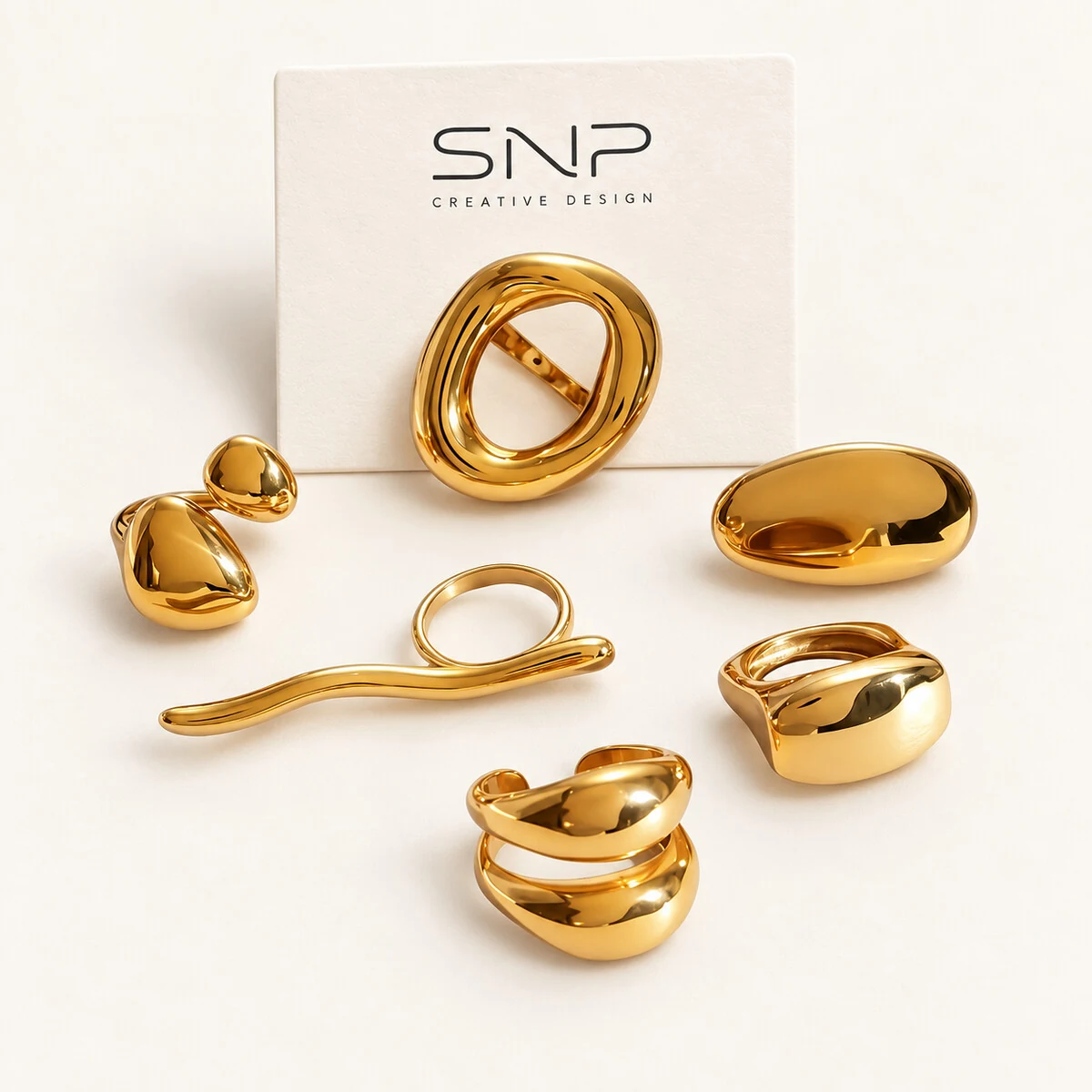
A plated finish establishes the intended metal appearance. E-coating is a protective post-treatment used on selected products after plating. The distinction matters: asking only for a colour does not fully describe the finishing requirement.
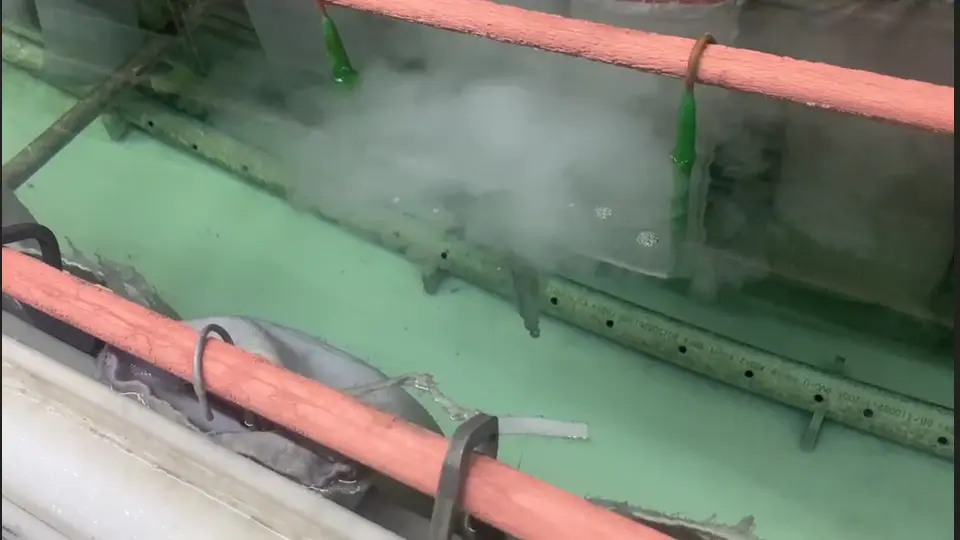
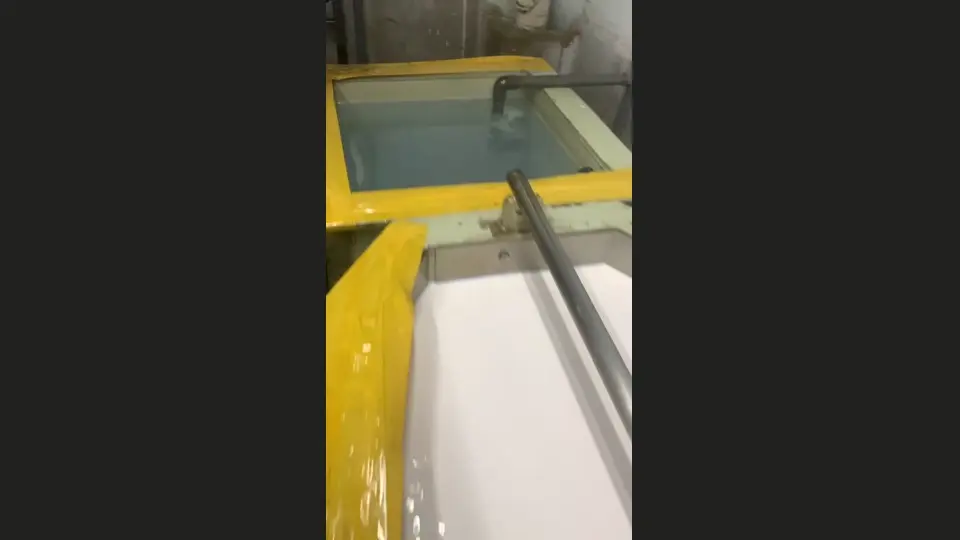
In the footage supplied for this guide, the final section shows the e-coating area identified during the visit. The earlier scenes show other processing baths. They should not all be labelled e-coating.
Why surface protection matters
Fashion jewellery meets hands, skin, clothing, packaging and the surrounding environment. Handling and wear can affect the visible finish over time. A protective coating can help protect that surface, but it is not a guarantee against tarnishing, scratches or changes over time.
The performance of the finished product depends on more than a single treatment. The underlying surface, preparation, plating route, coating application and intended use need to work together. Any durability claim should be supported by an agreed specification and appropriate validation.
SHARE THIS VIDEO
Film summary: chains move through surface preparation, rinsing, plating and final protective coating. Short captions highlight the process; original workshop sound accompanies the footage.
Not every product needs the same specification
An earring, ring, bracelet and bag charm experience different patterns of contact. A ring’s exposed edges and a moving bracelet’s connection points deserve different attention from a less frequently handled decorative component.
Product geometry also matters. Detail, recesses, joints and moving parts must remain visually acceptable and functional after finishing. Review the complete sample, including closures and articulated sections, rather than approving a flat colour swatch alone.
What to put in the development conversation
Give the team the intended product use, target FOB, finish reference and buyer expectations. Discuss the required protective treatment and how the final appearance will be assessed. Include any applicable buyer test protocol from the outset.
The useful question is not simply whether a product has a coating. It is whether the proposed finish system suits this product and can be repeated against an agreed approval standard. Avoid substituting a generic treatment name for a complete specification.
Approve appearance and function together
After treatment, look again at colour and surface clarity. Check that fine detail remains clean and moving parts work as intended. Review contact points and packing materials as part of the same development discussion.
At SNP, finish decisions sit alongside design, construction and commercial costing. We review protective finishing in that context, then work with the specialist partner on the agreed route.
The buyer’s takeaway
Treat e-coating as a specified protective after-treatment. Define what the product needs, then validate the finished sample against that requirement.