
ASK SNP / COST & TARGET FOB
COST & TARGET FOB
8 practical answers. Start with the question that matches your development decision.
ASK SNP / 021QUICK ANSWERThe target price is too low. What do we change first?
Break down the cost and identify its largest driver before cutting quality or margin. Explore a suitable substitute, simpler labour, less unnecessary material or a construction change that protects the visible design. Check the alternative’s appearance, function and production feasibility, then re-cost it. Supplier negotiation may help, but it cannot remove a real technical requirement. Margin comes last. Present the buyer with clear options and the trade-off behind each, rather than a cheaper quotation for a visibly weaker product.
ASK SNP / 022QUICK ANSWERWhen should margin be reduced?
Consider it after the team has examined materials, construction, labour and supplier options. A controlled commercial adjustment can sometimes be preferable to visibly lowering product quality, but it must remain sustainable for the order. Include shipment, likely rework and other real programme costs in the decision. Public price promises do not replace an item-specific calculation. The goal is a workable relationship and a reliable product, not winning an order that cannot be responsibly delivered.
ASK SNP / 023QUICK ANSWERCan a lighter casting reduce cost without changing the look?
Sometimes. Relieving hidden internal metal can reduce weight and material consumption while keeping the consumer-facing shape. The development team must check wall thickness, joint areas, balance and the chosen casting route; simply removing metal can weaken the product or introduce manufacturing problems. Compare a physical revised sample and re-cost the full process. A lighter design is useful only when the intended appearance, comfort and appropriate functional performance remain convincing.
ASK SNP / 024QUICK ANSWERCan a necklace use less material without hurting the look?
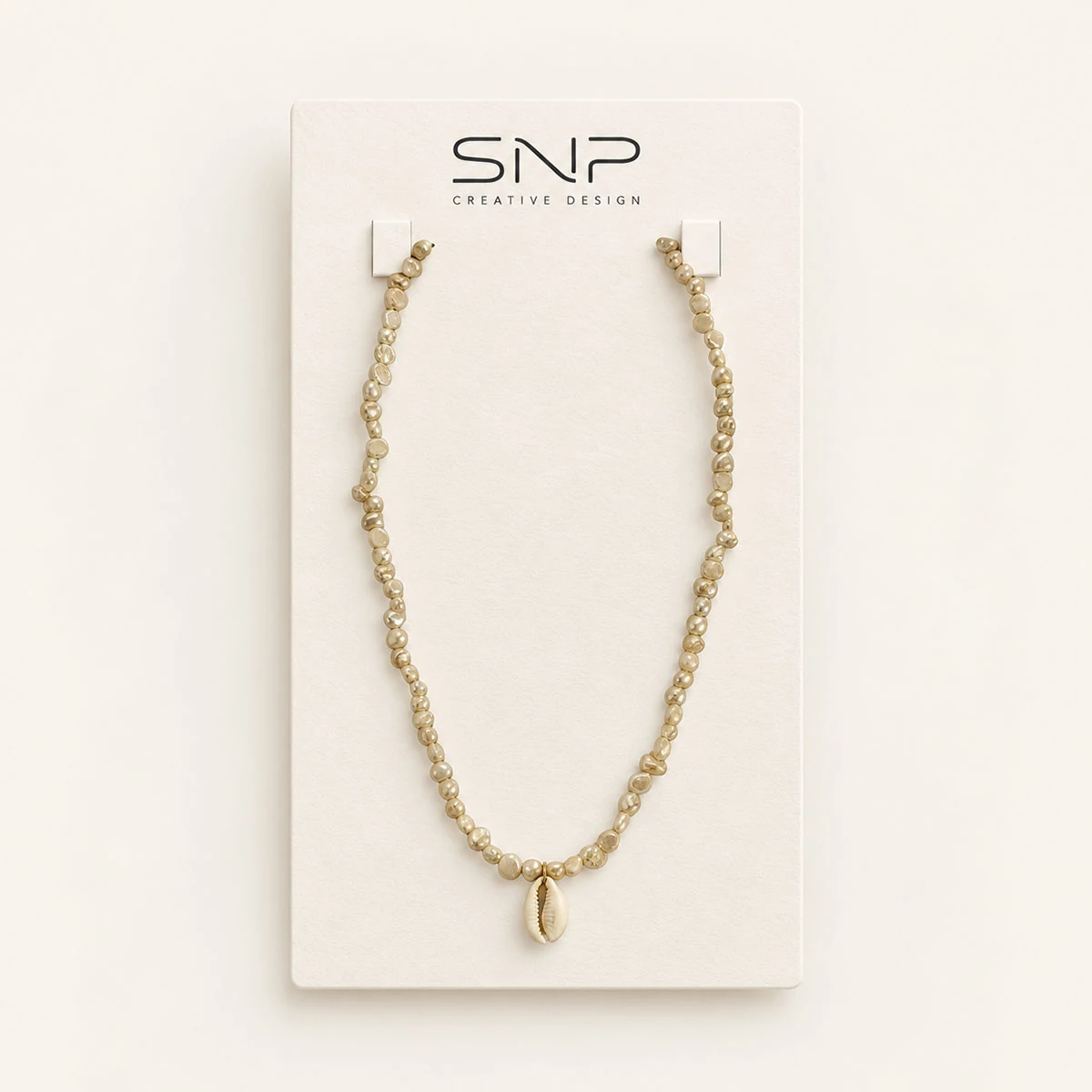
In some designs, the less-visible rear-neck section can use a simpler component or construction while preserving the front-facing effect. That is an option to evaluate, not a universal shortcut. Check how the necklace moves, sits against skin and behaves during normal use, including the clasp and connections. Show the change clearly during development and approval. Saving material is worthwhile only when comfort, suitable strength and the intended appearance remain protected.
ASK SNP / 025QUICK ANSWERWhen is a cheaper material the wrong choice?
When it no longer delivers the required structure, appearance or performance. A similar description or colour does not prove two materials behave the same way in forming, setting or finishing. Evaluate the substitute in the actual construction and agreed test route. If the result looks weaker, wears differently or creates a functional concern, the saving may be false economy. Offer a clearer alternative or explain the price gap rather than quietly downgrading the approved product.
ASK SNP / 026QUICK ANSWERWhy can an extremely low factory quote be risky?
A quotation may assume a different base material, stone, material consumption or process from the reference. It may also omit finishing, packaging or other commercial costs needed for the actual order. A low number is not proof of a problem, but it deserves a like-for-like comparison. Ask the supplier to confirm the specification and inclusions. Compare physical samples and the production route before treating the cheapest quotation as the most economical option.
ASK SNP / 028QUICK ANSWERShould you give up when the first target price looks impossible?
Not immediately. Recheck the cost assumptions and identify which feature causes the gap. A different construction, suitable material or simpler production step may preserve the intended look at a more workable cost. Prepare alternatives and re-offer with clear differences. Some targets genuinely cannot support the required specification; say so with evidence rather than an unsupported refusal. Experience should help find options and explain limits, not end the conversation before current possibilities have been checked.